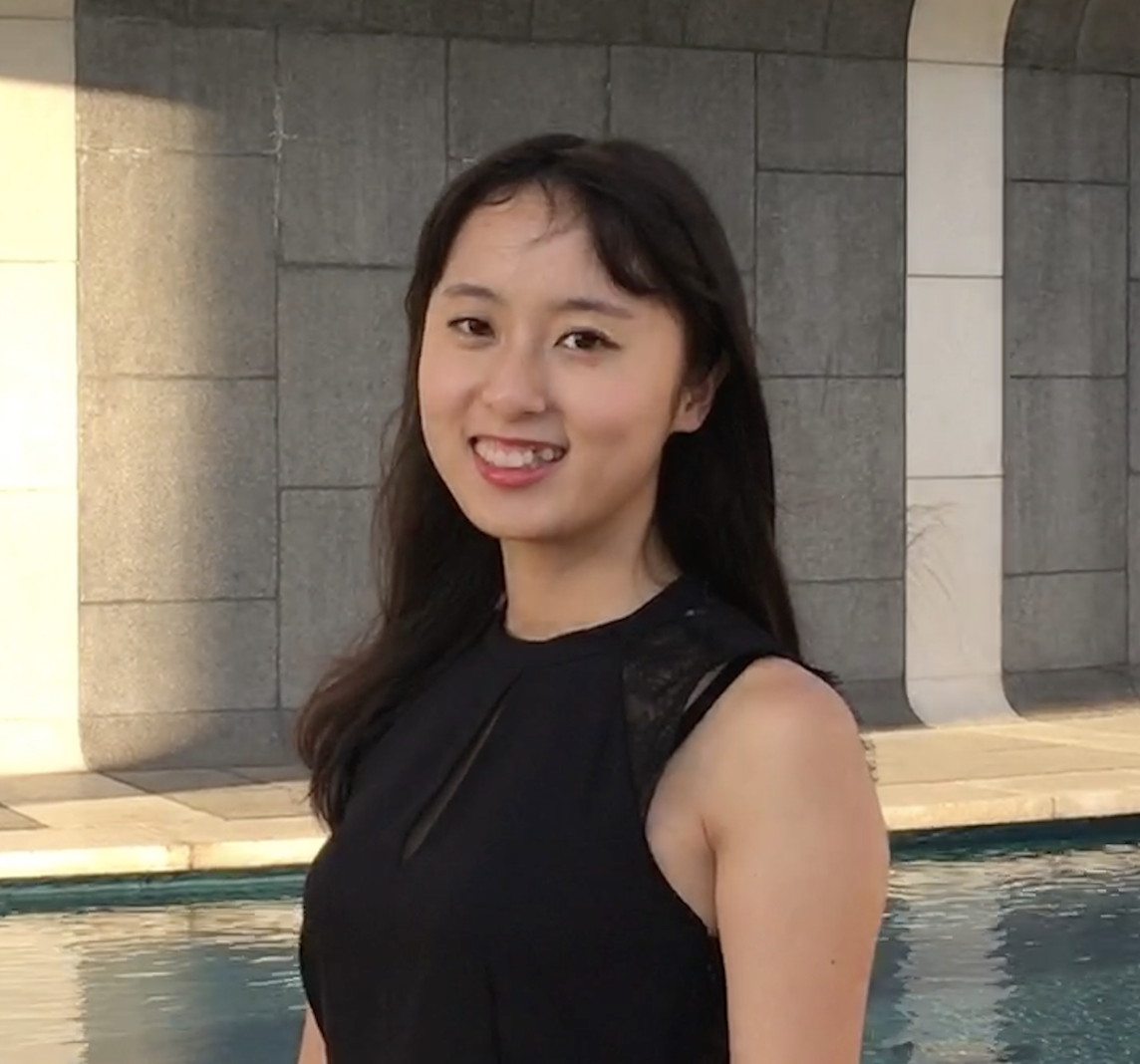
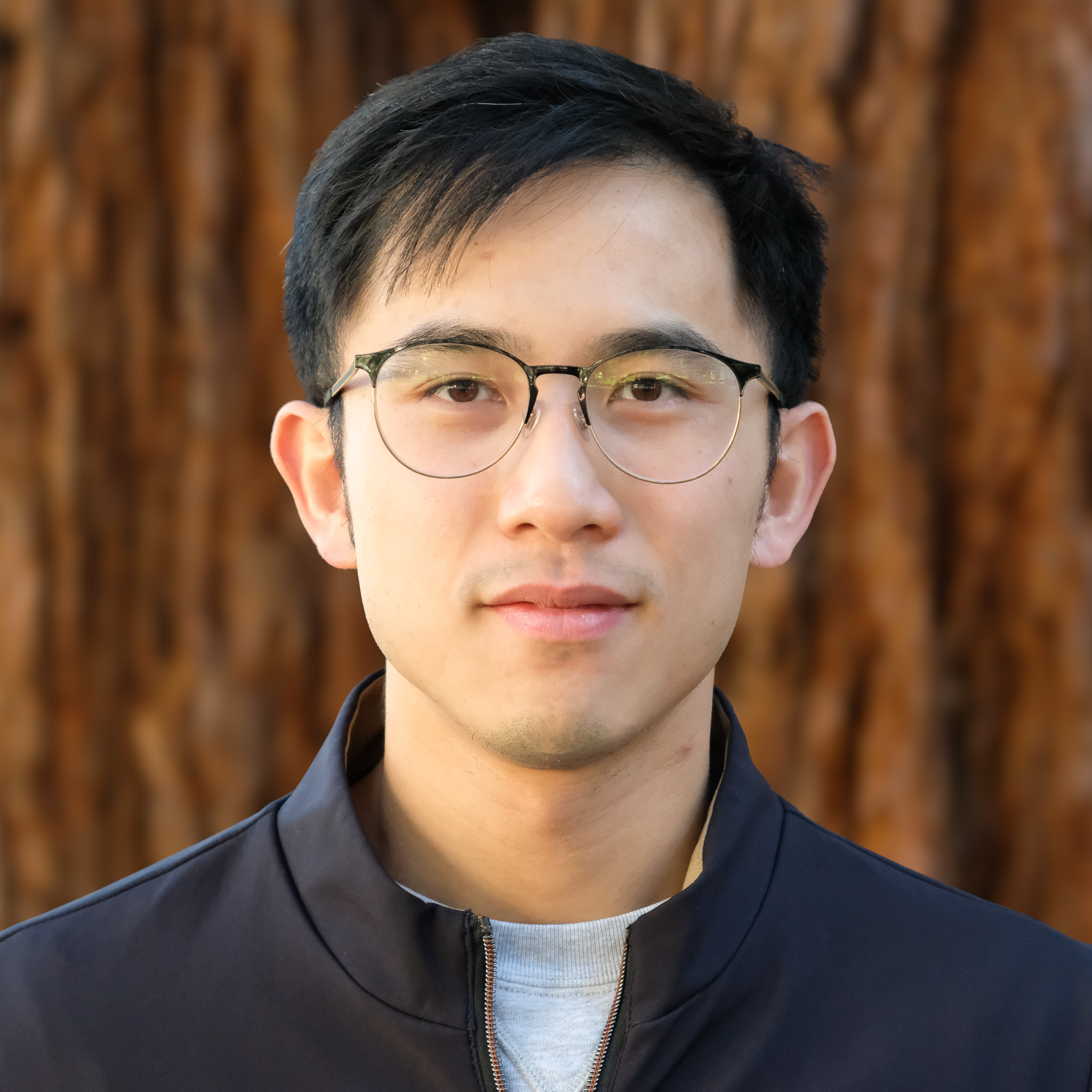
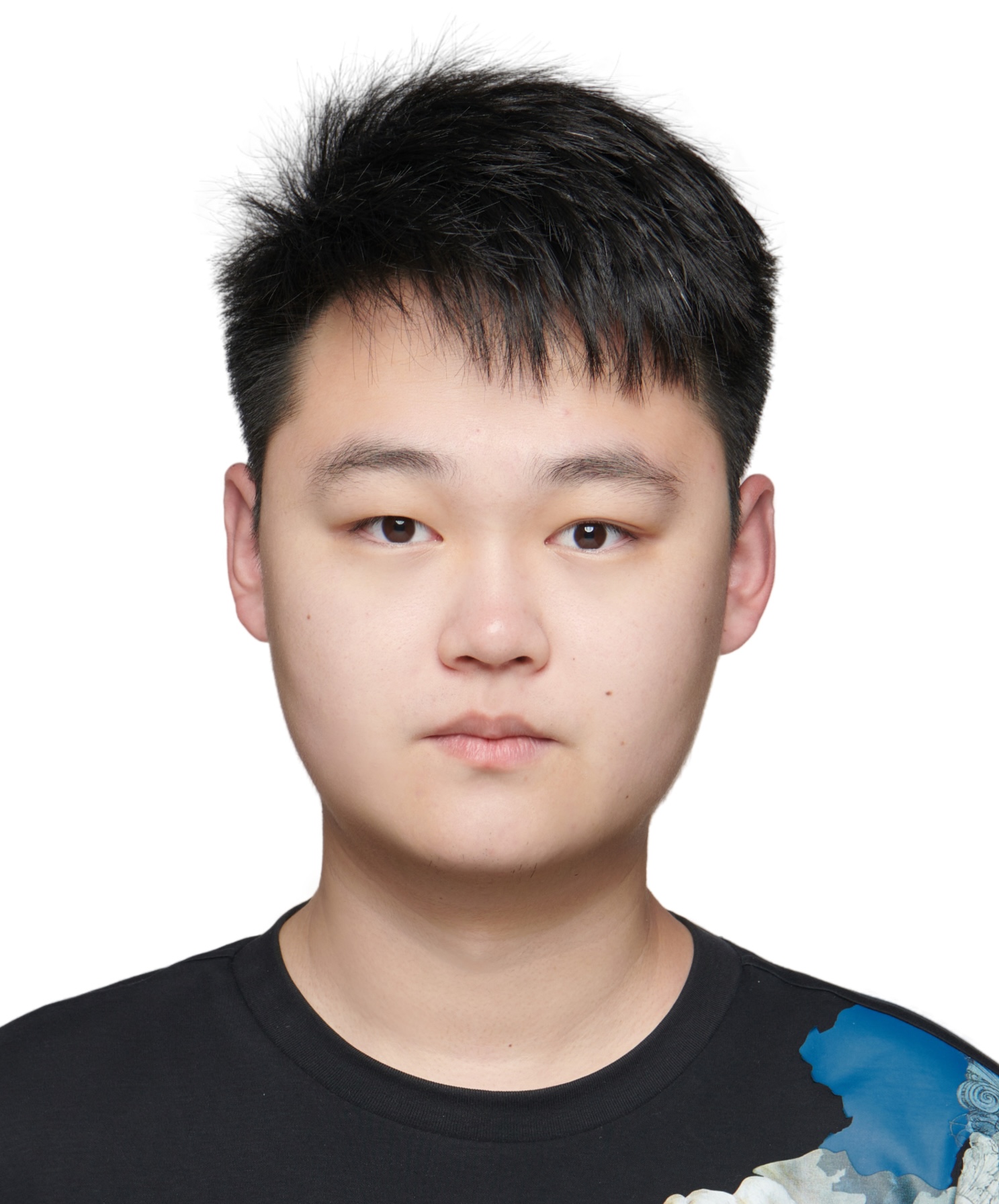
Peter Yichen Chen is an Assistant Professor of Computer Science at the University of British Columbia, where he directs the PhysAI Lab. He develops simulators of the 3D physical world, combining AI with physics to support applications in science and engineering. His work connects computer graphics, machine learning, scientific computing, and robotics. Before joining UBC, he was a postdoctoral researcher at MIT and earned his Ph.D. in Computer Science from Columbia University.
1st Workshop · SIGGRAPH Asia 2026
Agentic
Graphics.
Intelligent agents for computer graphics.
From geometry and rendering to simulation.
01 / The workshop
Introduction.
At the intersection of graphics, vision, and intelligent systems.
Agentic Graphics explores how large language models (LLMs), vision-language models (VLMs), and coding agents can solve computer graphics problems. These systems reason, write code, and operate graphics tools to create, edit, and evaluate visual content, using feedback to iteratively refine their outputs.
This inaugural workshop brings together researchers, engineers, and 3D artists to connect advances in agentic 3D modeling, rendering and inverse rendering, and simulation with shared challenges in evaluation, computational efficiency, and spatial reasoning. Our goal is to establish a shared technical agenda for practical graphics agents, spanning model capabilities, software interfaces, interactive tools, and human control.
The preliminary half-day program features six 20-minute invited talks, with Q&A included, a break for informal discussion, and a moderated closing panel on challenges and future directions. Guandao Yang will chair the workshop and moderate the panel.
- 3D modeling
- Rendering
- Simulation
- Evaluation
- Efficiency
- Spatial reasoning

02 / The program
Schedule.
Six invited talks and a closing panel.
Each 20-minute talk includes Q&A.
| Elapsed time | Session | Lead |
|---|---|---|
| 0:00 – 0:10 | Opening Remarks | Organizers |
| 0:10 – 0:30 | Keynote Talk 1Agentic 3D modeling | Invited speaker |
| 0:30 – 0:50 | Keynote Talk 2Agentic rendering and inverse rendering | Invited speaker |
| 0:50 – 1:10 | Keynote Talk 3Agentic simulation | Invited speaker |
| 1:10 – 1:30 | Break and informal discussion | All participants |
| 1:30 – 1:50 | Keynote Talk 4Evaluation | Invited speaker |
| 1:50 – 2:10 | Keynote Talk 5Performance and efficiency | Invited speaker |
| 2:10 – 2:30 | Keynote Talk 6Spatial reasoning | Invited speaker |
| 2:30 – 3:20 | Moderated PanelChallenges and Directions in Agentic Graphics | Guandao YangModerator |
| 3:20 – 3:30 | Closing Remarks | Organizers |
Talk topics and timings are tentative and may change as speakers and the conference schedule are finalized.
03 / The perspectives
Invited speakers.
Bringing together voices from
research and industry.
Kai Wang is an Assistant Professor of Computer Science at ShanghaiTech University, where he leads the Structure, Functionality and Creativity Lab. His research explores how to generate and analyze 3D shapes and scenes, with an emphasis on structure, functionality, and AI tools that support human creativity. He earned his Ph.D. at Brown University, advised by Daniel Ritchie, and subsequently worked with Hao Zhang as a postdoctoral scientist at Amazon and a visiting researcher at Simon Fraser University.
Yuan Liu is an Assistant Professor at the Hong Kong University of Science and Technology, where he leads the Intelligent Graphics Lab. His work in 3D vision and graphics covers reconstruction, asset generation, motion capture and generation, video world models, and agents powered by large language models. He earned his Ph.D. at the University of Hong Kong with Wenping Wang and Taku Komura, then conducted postdoctoral research at Nanyang Technological University with Ziwei Liu.
Yi Zhou is a Staff Applied Scientist at Adobe, where she works on foundation models. Her current interests include agentic 3D and 4D content creation, game generation, and 3D-aware video models, building on her research in digital humans, motion synthesis, and 3D representation learning. She previously worked at Roblox and Adobe Research, and earned her Ph.D. at the University of Southern California under the supervision of Hao Li.
Minhyuk Sung is an Associate Professor in the Department of AI Computing at KAIST, where he leads the Visual AI Group. He develops methods for creating, editing, and understanding visual data, including images, videos, and 3D environments, with recent work on spatial reasoning and controllable generation. He previously worked as a Research Scientist at Adobe Research and earned his Ph.D. at Stanford University under Leonidas Guibas.
To be announced
Invited speaker
Details of the sixth invited speaker will be announced here.
04 / The team
Organizers.
Guandao Yang
University of Texas at Austin
USA
Hao Zhang
Simon Fraser University
Canada
Ruiqi Wang
Simon Fraser University
Canada
Hengyu Liu
University of Texas at Austin
USA